Wednesday, February 3, 2010

The Oakwood Veneer 2009 Wood Veneer Design Contest Winnner Is...

After reviewing dozens of great looking projects and being wowed by some stunning designs from all over the country, we at Oakwood Veneer have come to a final decision on our 2009 Wood Veneer Design Contest.

The Winner is... (drumroll) Schoenstein and Company from Benicia, California. Their winning design was a stunning pipe organ which is now in use at the prestigious Julliard School of Music in New York. A large picture of the organ is located just below this post - click on it to see a larger and higher resolution file.

The organ was made using Karelian Birch, Quarter-sawn Oak, and Honduran Mahogany Veneer, all purchased from Oakwood Veneer.

The Oakwood Veneer website gallery will be updated to show our winner and other honorable mentions. Stay tuned to the Blog for further information.

Click on the Picture for Higher Resolution (More Detailed)

Friday, January 22, 2010

Rustic Veneer Part 3 - Rustic Cherry, Planked Hickory, Planked Walnut, Knotty Oak, and Pippy Oak Veneer

This is the final installment of our three part Rustic Veneer blog series. As always, if you have any questions about any of our veneers, feel free to give Geoff, Jay, or Pete a call at 800-426-6018. They can help you select, install, and use wood veneer, and they are happy to help.

Here are the final rustic veneer species:

Rustic Planked Cherry VeneerRustic Cherry Veneer – This is an interesting looking wood that has a nice cherry (reddish brown) color and often has alternating straight and curvy/wavy/twisted grain lines. The curvy section almost looks like a cherry burl, but the change from curvy to straight adds a nice rustic character to the wood.

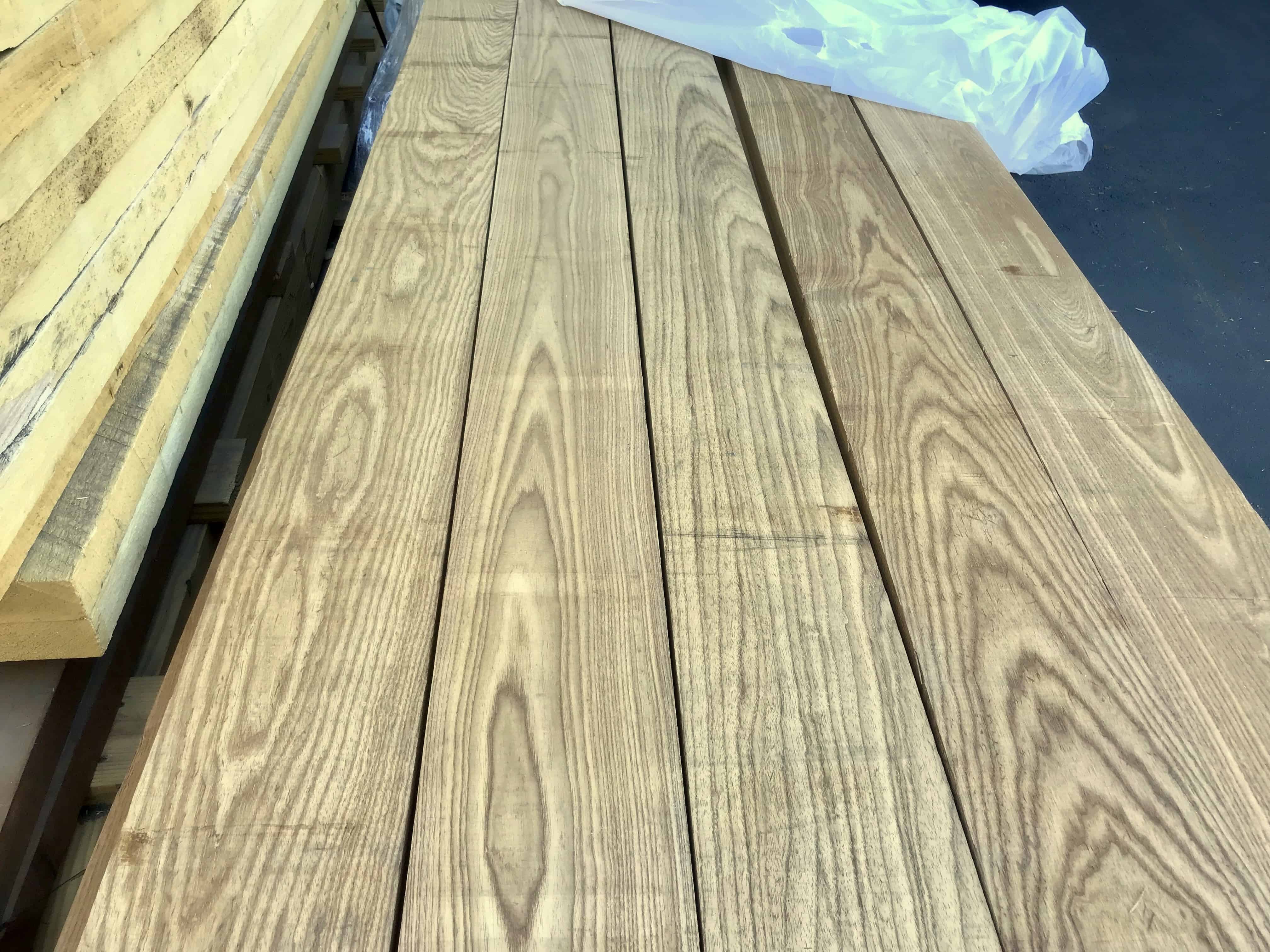
Rustic Random Planked Hickory VeneerRustic Planked Hickory Veneer – This wood usually has an alternating two tone look from tan to medium brown. It includes a very small amount of very large knots, and flat-cut style curved grain. It’s a good choice for rustic furniture or cabinets.

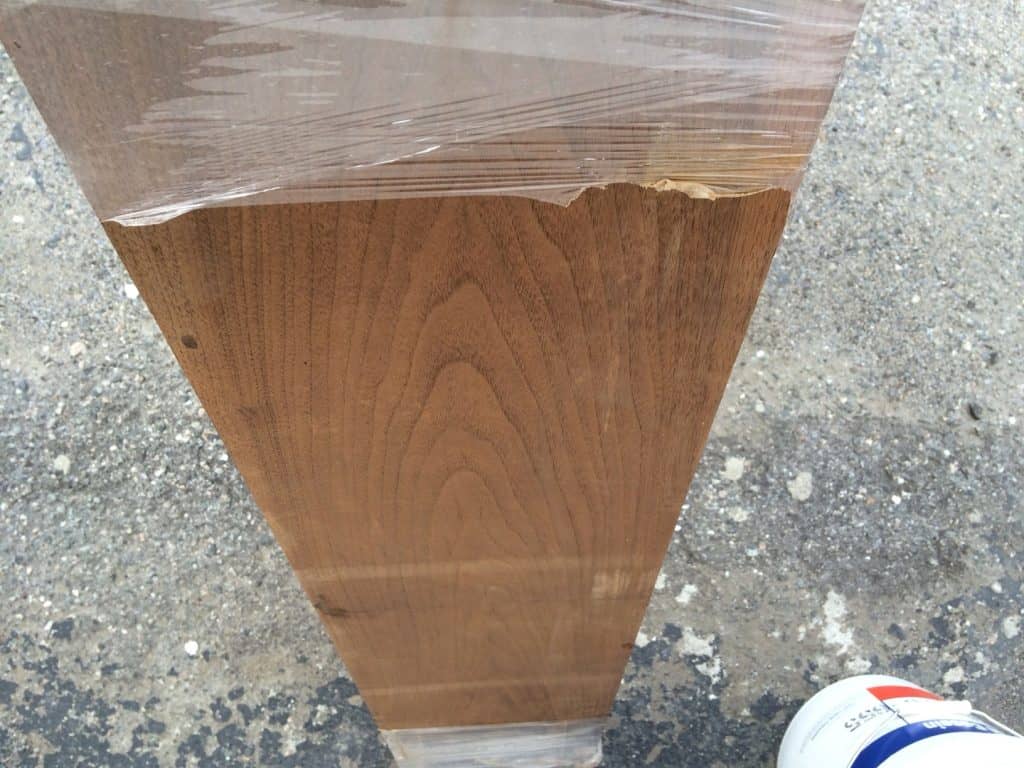
Rustic Planked Walnut VeneerRustic Planked Walnut Veneer – This is mostly a dark brown wood with a few rows of tan adding a bit of contrast and character. The grain is curved in flat cut fashion and scattered throughout are a few medium sizes knots that mostly blend in with the rest of the grain.

Knotty Oak Veneer – Like Knotty Pine, this is a nice farmhouse style wood. However, it is a much more muted look with lighter and less concentration of knots, making it more suitable for projects going for a modern look. The color is a noticeably darker tan than Knotty Pine as well. See the Rustic Veneer page for a picture.

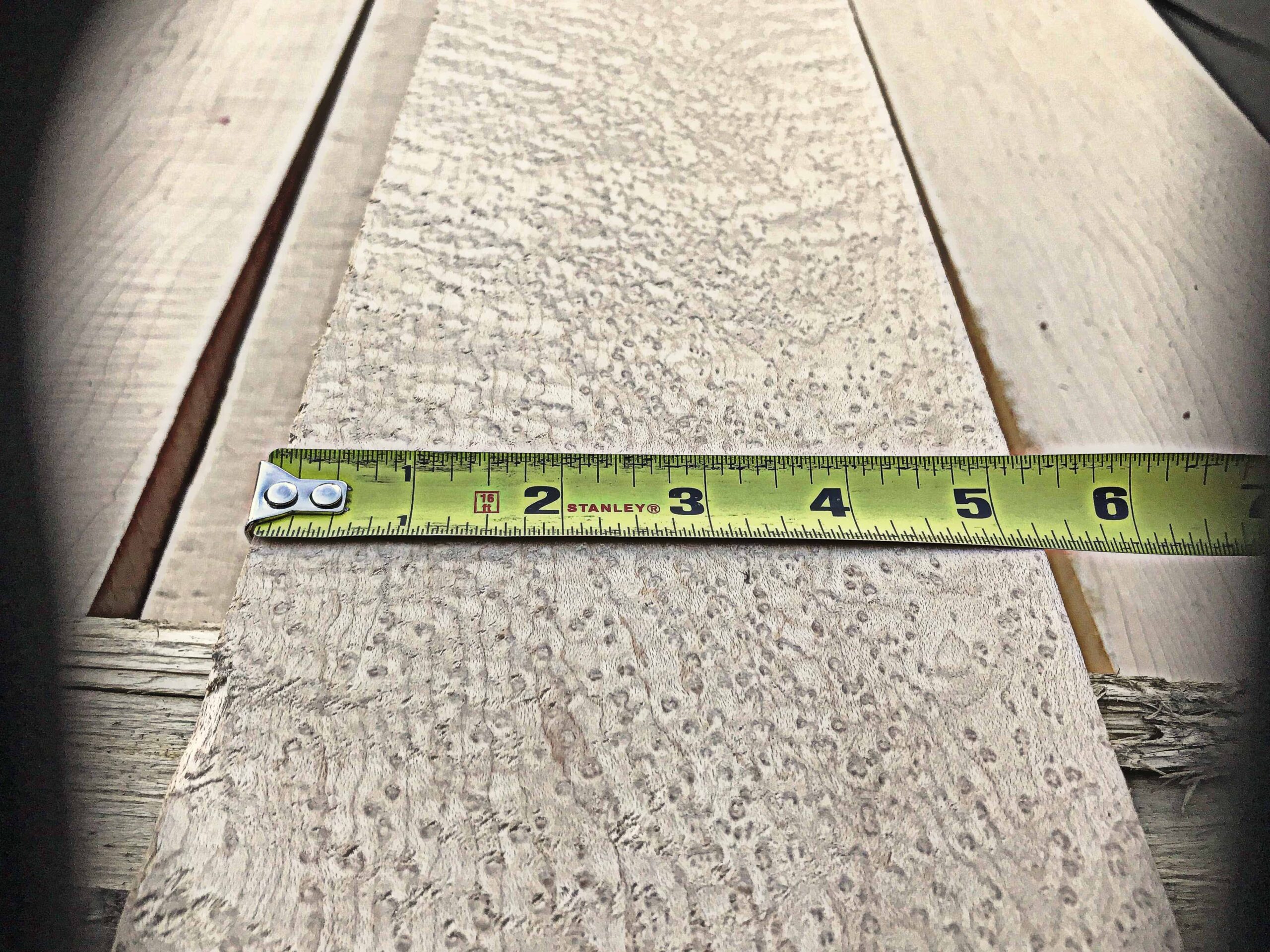
Pippy Oak Veneer – Pippy Oak, as well as Knotty Oak (above) are not listed on our paper price sheet and they don’t have a specific web page (except on the rustics page where you can see a picture). However, we do have both of these woods in stock daily. Pippy Oak is a nice medium tan wood with a swirly grain and lots of tiny pin knots.

Thursday, January 21, 2010

Rustic Veneer Part 2: Knotty Pine, Yew, and Cypress, Natural Birch, and Wormy Maple Veneer

For more information about rustic veneer, be sure to check out the first rustic veneer blog post. This blog is second in a series of three.

Here are some more great choices in rustic veneer:

Knotty Pine VeneerKnotty Pine Veneer: Because of its popularity, this is the veneer that most rustics get compared against. Knotty Pine is one of the most popular of the softwood veneers (which are from trees that don’t loose leaves in the winter). Knotty Pine has a very pale color with simple dark brown knots scattered throughout. Like the other knotty woods (Alder, Cypress, Larch, Aromatic Cedar), it is common to see Knotty Pine on farmhouse buildings and furniture.

Knotty Yew VeneerKnotty Yew Veneer – All Yew Veneer is knotty, so Yew and Knotty Yew are one and the same. This is a knotty wood with a more stately, almost burl-like appearance with lots of swirly figure, understated knots, and multi-tone shades.

Natural Two Tone Birch VeneerNatural Two Tone Birch Veneer – This is a brown and light tan two-tone wood with a very understated swirly grain pattern. The brown and light tan sections are completely separated for a calico appearance, and while rustic in appearance, has a touch more modern appearance.

Knotty Pecky Cypress VeneerKnotty Cypress Veneer – This is sometimes called Pecky Cypress, probably because the knots are smaller and instead look like pecks. This wood has a bit darker appearance that Knotty Pine and the grain is very straight with a few small swirly sections.

Wormy Maple VeneerWormy Maple Veneer – This wood is also known as Ambrosia Maple or Ghost Maple, and the grain is caused by an infestation of the ambrosia beetle. It has a standard maple color with short worm-looking streaks of brown running in diagonal lines across the sheet.

Wednesday, January 20, 2010

Rustic Veneer: Aromatic Cedar, Wormy Chestnut, Knotty Alder, and Knotty Larch Veneer

For a down-home folksy feel, many people are turning to rustic veneer. Rustics often have knots, wormy rivets, a pronounced two-tone grain pattern, or other distinctive characteristics that almost make it seem like the owner chopped the tree down themselves and handcrafted the building or furniture piece.

Rustic veneer is often seen in farmhouses or Cracker Barrel-style restaurants, but it is becoming more common to see it used for projects that aren’t trying to evoke an old country feel. Rustics are a great way to add some character to projects without spending a ton of money (they are on the less expensive side of veneer choices).

Oakwood carries over a dozen rustic veneers, and we will turn this blog into a three-part series in order to feature each species. Here is the first set:

Aromatic Cedar VeneerAromatic Cedar Veneer – This looks similar to knotty pine but with significantly more knots and a dark red shade which is in contrast to pine’s pale hue. Aromatic Cedar also has a potent and distinctive aroma that many people enjoy (although others disagree). It is used for cedar closets and storage chests

Wormy Chestnut VeneerWormy Chestnut Veneer – The grain pattern looks similar to Southern Yellow Pine Veneer because it is tan and yellow two-tone with irregular ovals. However Wormy Chestnut has small brown speckled markings throughout the entire wood. It tends to be a bit pricier than most of the rustic woods, however Oakwood has a spectacular-looking stock of it – the best looking Wormy Chestnut in the industry.

Knotty Alder VeneerKnotty Alder Veneer – This is also similar to Knotty Pine except that it is a darker tan and the knots are much more subdued looking, to the point that you might not realize there are knots unless you are looking for them.

Knotty Larch VeneerKnotty Larch Veneer – Once again, this is similar to Knotty Pine Veneer, except that the grain is a darker tan and the knots are noticeable but a lighter brown. You can also see the straight grain lines clearer than in Knotty Pine where the grain is too pale to see the lines.

Tuesday, January 19, 2010

Quartered Yellow, Carolina Southern Yellow, White, and Knotty Pine Veneer

When most people think of Pine Veneer, Knotty Pine comes to mind. But it is important to realize that there are four different types of Pine Veneer: Carolina Southern Yellow, Quartered Southern Yellow, White, and of course, Knotty Pine Veneer. Here is some information that will help you make a selection when considering different types of Pine Veneer.

Quartered Yellow Pine VeneerQuartered Yellow Pine Veneer – This is a very light toned wood with yellow to beige multi-shade straight grain lines across the top. Like all Pine Veneer, Quartered Yellow is often used in home building, furniture making, and on ships. Quartered Yellow Pine is considered by many to be the most valuable of any softwood species in North America.

Carolina Southern Yellow Pine VeneerCarolina Southern Yellow Pine Veneer – This is a two-toned wood that is yellow with reddish-orange grain lines over the top in irregular oval swirls. This is a little more rustic looking than the quartered version, but it is also used in shipbuilding and furniture making.

White Pine VeneerWhite Pine Veneer – This is similar to Southern Yellow because it is two-toned. However the two colors are fainter and the grain lines run in a sideways arching pattern as opposed to the irregular ovals.

Knotty Pine VeneerKnotty Pine – This is your typical rustic Pine Veneer with nice large knots. This is common to farmhouse furniture, doors, and buildings. The color is generally pale and the knots are a deep brown which makes them highly visible. Knotty Pine is a great way to add some character to your project without spending a lot of money (pine in general is not an expensive wood).

Monday, January 18, 2010

Different Mahogany Veneer Styles - Silky, Plum Pudding, Crotch, and Ribbon Mahogany

One of the most popular woods for several centuries, Mahogany is a fantastic choice for cabinets, furniture, and much more. But many people don’t realize that Mahogany is available in many other forms than the usual Honduran and African, and all are in stock everyday at Oakwood. Here is some information about Silky, Plum Pudding, Ribbon, and Crotch Mahogany veneer.

Silky Mahogany VeneerSilky Mahogany Veneer: This is a golden-orange wood with yellow and brown slightly curvy stripes across the top. Silky Mahogany is somewhat similar to Crotch Mahogany (detailed below) except that it doesn't have the characteristic arc and spine figure. Like all of the Mahogany veneers, Silky Mahogany is very easy to work with, and is often used in model making, auto manufacturing, cabinets, and furniture.

Plum Pudding Mahogany Veneer: This is a darker orange grain with very thin brown streaks and small brown patches amongst a pillowy and swirly figure. It is slightly rustic in character

Crotch Mahogany VeneerCrotch Mahogany Veneer: This is one of the most unique of all of the veneers. The grain is generally in one large, tall arc with the spine of the arc a very dark brown and the sides multiple shades of tan to brown. Some say that it looks like a chest x ray. Oakwood only sells Crotch Mahogany with the finest figure that goes all the way to the edge.

Ribbon Mahogany VeneerRibbon Mahogany Veneer: This is a nice-looking tan shade wood that usually has straight "ribbon" stripes in multiple shades of tan to brown. It looks somewhat similar to Sapele Veneer and in some cases can be interchangeable with it.

Wednesday, January 13, 2010

Walnut Veneer Varieties: Peruvian, French, Brazilian, Australian, and Rustic Walnut

Most people are familiar with Walnut Veneer and Walnut Burl Veneer. But did you know that Walnut comes in several different varieties from various parts of the globe? Be sure to check out Australian, Brazilian, French, and Peruvian Walnut Veneer as well as Rustic and Figured Walnut.

Peruvian Walnut VeneerPeruvian Walnut Veneer: This is a darker reddish-brown wood (on your left) with black grain stripes that can either be straight or wavy. Like other members of the family, Peruvian walnut is often used for furniture, cabinets, musical instruments, and marquetry.

French Walnut VeneerFrench Walnut Veneer: This is also called Italian, English, or Persian Walnut depending on where it originated. The wood is dark brown with irregular zig-zag smoky black streaks over the top. It also is used for furniture and cabinets, but also for plywood faces,

Brazilian Walnut VeneerBrazilian Walnut Veneer: This is a warm yellow toned wood that is somewhat rustic in appearance due to its miniature knots and contrasting two-toned grain. The species is also known as Imbuya Veneer.

Australian Walnut VeneerAustralian Walnut Veneer: This wood is closer to standard walnut in appearance, but has darker stripes, a reddish hue, and a hint of figure. It is also known as Orientalwood Veneer, Paldao Veneer, and Queensland Walnut. This is the only wood on this list that is not a true walnut species.

Rustic Walnut VeneerRustic Walnut Veneer: Rustic Planked Walnut is a more modern looking version of your standard rustic veneers. Knots are generally subdued or non-existant, the two-tone nature is less prominent, and the grain is closer to a standard flat cut. This may be the case because Walnut is a hardwood and not a softwood veneer.